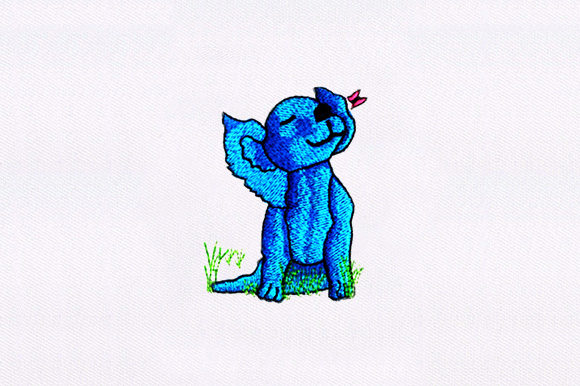
Reviewing the Relaxed Dog Embroidery Design for Craft Fair Products
First Impression: A Quietly Confident, Soft-Sell Design
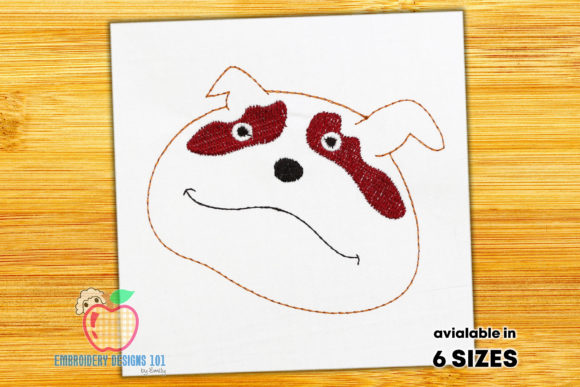
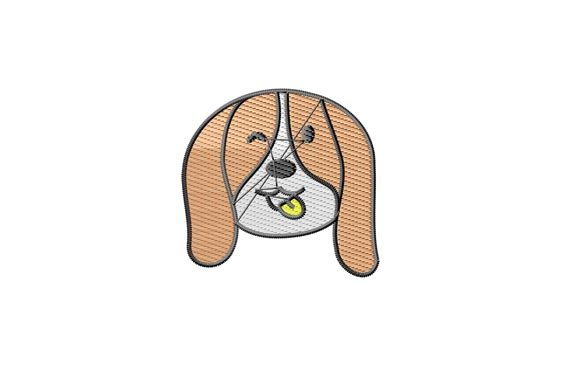
Looking at Relaxed Dog purely from a craft fair booth perspective, the initial mood is soft and decorative. It leans into a cozy, premium feel rather than bold or funny. The title suggests a calm, approachable character. This isn't a jumping puppy; it’s a serene, perhaps lounging dog. For handmade markets, that conveys a sense of comfort and quiet charm, which can be a powerful niche. It feels universally appealing without being overly specific—it’s not a breed portrait, but a gentle concept. This makes it versatile for a wide customer base, from those who love a rustic, farmhouse aesthetic to those seeking a minimal, modern accent for their home.
Where Relaxed Dog Stands Out in Your Booth Display
When planning my weekend craft fair table, I immediately consider product pairing. Relaxed Dog needs a canvas that complements its mood. It won’t scream for attention on a busy, graphic-heavy apron, but it will draw customers in on items that emphasize comfort and quality.
- Tote bags and market bags: This is a prime spot. A well-placed Relaxed Dog on a neutral canvas or linen tote feels handmade and intentional. It elevates a simple bag into a giftable item.
- Pillow covers and cushion accents: Here, the design can be scaled larger as a focal point. The soft theme translates perfectly to home decor, increasing perceived value.
- Tea towels and kitchen linens: On a textured towel, it becomes a charming, functional art piece. It feels cozy in a kitchen setting.
- Small fabric pouches and giftable items: As a smaller accent on a zipper pouch or cosmetic bag, it adds a touch of personality without overwhelming the product. It makes for an excellent impulse buy.
I would likely avoid putting it on caps unless the design is simplified and tested extensively, as curved surfaces can distort serene lines. Its true strength is on flat, textured fabrics where its decorative quality can shine.
Practical Production: Translating File to Finished Product
As an embroidery designer preparing for batch production, my focus shifts from aesthetics to mechanics. The provided embroidery file formats—ART, DST, PES, etc.—indicate wide machine compatibility, which is excellent for small shop owners using different systems. However, before stitching my first booth sample, I follow a strict checklist.
- Test on scrap fabric first: Always. I use a fabric similar to my final product—like linen for a tote or cotton for a towel—to see how the design settles.
- Check stitch density and small details: Designs named Relaxed Dog often have smooth, flowing lines. I need to watch for any dense stitch areas in the body outline that might pucker on lightweight fabric. Tiny details, like a delicate eye or paw, must retain clarity at my intended size.
- Review thread contrast: This design thrives on good contrast. On dark fabric, I’ll need to plan for a bright, visible thread. On light fabric, a soft charcoal or brown can maintain that premium, relaxed feel.
- Confirm hoop size: This is critical for efficiency. For a tote bag center, I might need a larger hoop. For a small pouch accent, a smaller hoop works. I always verify the actual design dimensions in my software before hooping anything.
- Use the right stabilizer: For textured items like tea towels or tote bags, a firm stabilizer is non-negotiable to keep the design crisp during repeated customer handling.
- Create at least one real mockup: Never rely solely on a digital mockup for a craft fair. I stitch one final product exactly as it will be sold. This reveals how light hits the threads and how the fabric drapes with the embroidery.
Selling Power: How This Design Captures Customer Attention
At the fair itself, Relaxed Dog works through subtlety. On a crowded table, it won’t be the loudest design, but on the right product, it creates a focus point. A customer browsing handmade tea towels will pause at one with a serene, well-embroidered dog. It feels thoughtful and skilled. This enhances the handmade quality and justifies a slightly higher price point than a plain item.
For online sales, like an Etsy listing, the design photographs well because it’s clean and uncluttered. It doesn’t have a chaos of colors or details that blur in a thumbnail. A good photo on a natural linen pillow cover can look both professional and inviting. This is a key advantage for digital sellers and creative entrepreneurs using printable mockups for their listings.
For batch production, the design feels repeatable. Its likely simpler composition means consistent results across multiple tote bags or pouches, which is vital when you need twenty units for a weekend market. It supports brand consistency if your shop vibe is calm, cozy, or home-centric.
Careful-Use Notes for Specific Products
Not every product is an ideal match. Here’s my real-world judgment for common fair items.
- Aprons: Possible, but placement is key. On the chest pocket? Maybe. Across the bib? It could work if scaled appropriately, but aprons often need more durable, high-contrast designs due to wear.
- Embroidered patches: This is a fantastic application if the design retains detail at a small size. A Relaxed Dog patch can be sold as-is or applied to products, adding versatility to my booth.
- Caps: As mentioned, risky without testing. The curved surface of a cap can make a relaxed, horizontal design look distorted. If I proceed, I’d use a very stable backing and possibly simplify the design file.
- On dark fabrics: Requires careful thread color selection. A light thread on dark denim or canvas can look stunning, but I must increase my stabilizer use to prevent show-through.
The Final Verdict for Your Handmade Business
Relaxed Dog is a solid, commercially viable embroidery design for craft fairs and handmade markets. Its value isn’t in shock-and-awe, but in its ability to enhance simple products with a mood of calm craftsmanship. It allows you to create a cohesive booth theme around comfort and home.
My strongest recommendation is to commit it to home decor and accessory items: pillow covers, tea towels, tote bags, and small pouches. These products amplify its soft appeal and connect with customers seeking a decorative, yet understated, handmade touch.
Before any production run, always check the specific file details for stitch count, exact dimensions, and confirm your commercial licensing rights. The provided embroidery file formats give you the technical flexibility, but the real magic happens when you pair this quiet design with the perfect fabric and product for your brand. Stitch a sample, place it on your mock table, and see if it draws you in. That’s the best test for any craft fair product.