Cruise Ship Embroidery Design: A Designer’s Craft Fair Review
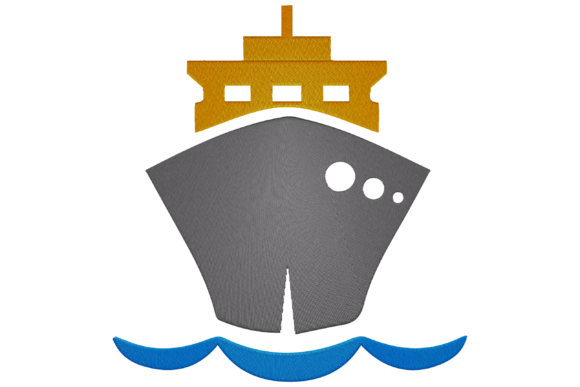
As an embroidery designer preparing for a weekend craft fair, every design choice is a business decision. When I look at the Cruise Ship machine embroidery design, my first thought isn’t just about its beauty—it’s about its shelf presence. This design immediately evokes a bold, decorative, and premium summer holiday spirit. It feels celebratory and aspirational, not cute or rustic. This mood is key. On a crowded market table, a design needs to project its vibe instantly to a browsing customer. Cruise Ship does that: it promises escape and luxury, which are powerful selling emotions.
Where This Embroidery Design Stands Out on the Booth Table
My booth strategy is to create a visual story. I lay out embroidered tote bags, aprons, tea towels, caps, and pillow covers to show versatility. Cruise Ship would be an anchor piece in the Beach category, but its appeal is broader. It’s not a generic palm tree; it’s a specific, elegant scene. On a crisp white apron or a canvas tote bag, it becomes a statement. The design works exceptionally well as a large focal piece. On a pillow cover or a market bag, it commands attention and feels like a complete artwork, elevating the perceived value of the handmade product.
For smaller items, like a fabric pouch or a cap, I must be careful. The success depends on the design’s scale and detail. If Cruise Ship has intricate elements like railings or tiny windows, reducing it for a cap might lose clarity. I’d test it first on scrap fabric. However, as an embroidered patch applied to a denim jacket or bag, it could be fantastic—a ready-made souvenir feel that buyers love.
Practical Production for the Embroidery Business Owner
Turning a digital embroidery file into a sellable product requires practical testing. Here are my direct notes for producing Cruise Ship items for a craft fair:
- Test First, Always: Run the design on a scrap of your actual product fabric—whether it’s linen for a tea towel or cotton for a tote. Check thread contrast, especially if using dark fabric.
- Stitch Density & Stabilizer: Designs with large filled areas (like a ship’s hull or water) can be dense. Use the correct stabilizer for the fabric texture. A thick towel or a curved cap surface demands extra attention to prevent puckering.
- Batch Production Reality: Is this design repeatable? If it uses many thread colors or has long stitch times, it may be a premium, slower product. That’s okay if the price reflects it. For batch-making simpler items, ensure your hoop size is efficient.
- Photography & Online Sales: For Etsy sellers and digital sellers, how it photographs is crucial. Cruise Ship, with its likely strong shapes and colors, should photograph well for online listings and printable mockups. Create at least one real, physical mockup for photos—it shows handmade quality better than a digital render.
Design Details That Affect Customer Engagement
A customer at a fair touches products. They notice texture and craftsmanship. Cruise Ship needs to feel clean and professional. If the design includes small lettering, like a ship name, I must ensure it’s crisp on the final product. Any fuzziness there undermines premium perception. The design’s strength is its visual story—it invites the buyer to imagine a vacation. That emotional engagement is a direct sales catalyst.
For brand consistency, if my shop focuses on travel or coastal themes, this design is a perfect fit. It strengthens the booth display by creating a cohesive collection with other nautical or holiday items.
Final Pre-Fair Checklist for the Creative Entrepreneur
Before I stitch Cruise Ship onto products for sale, I run this final checklist:
- Confirm the embroidery file formats work with my machine and that I have the correct commercial licensing to sell finished products.
- Compare fabric colors: Which background fabric makes the design pop? Navy blue for a classic cruise feel? Bright white for a crisp resort look?
- Inspect the design at my intended sizes. Does it hold its integrity as a small accent on a kitchen towel? Does it feel overwhelming as a large design on a pillow?
- Plan the booth placement. Which product with this design will be my hero item to draw people in? Probably a large tote bag or pillow cover.
- Have a simpler, complementary item ready. Maybe a smaller embroidery design on a pouch to offer a lower-price entry point alongside the standout Cruise Ship pieces.
In summary, the Cruise Ship embroidery design is a strong contender for craft fair success. It has clear emotional appeal, works best as a focal point on premium items, and can elevate the entire feel of a handmade product booth. Its production requires standard careful steps for dense designs, but the result—a tangible piece of holiday spirit—is exactly what buyers at a summer market are dreaming of finding.