Wolf Outline Embroidery Design for Craft Fair Products
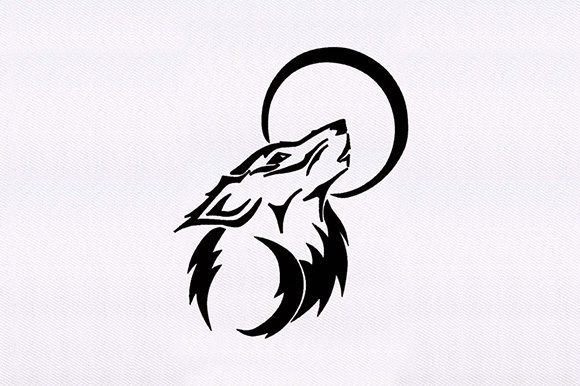
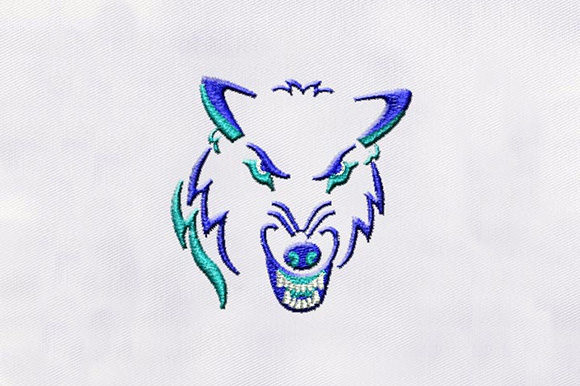
As an embroidery designer preparing for a weekend craft fair, my first step is to evaluate every design not just as a digital file, but as a physical product that will catch a buyer’s eye from across a crowded aisle. When I look at a design titled Wolf Outline, my immediate impression is one of bold, rustic minimalism. This isn't a detailed, photorealistic wolf; it’s an outline, which speaks to a modern, graphic style. It feels premium and decorative, with a touch of wild, natural elegance that fits perfectly with the Wild Animals category. For sellers targeting customers who love cabin decor, rustic chic, or nature-inspired accessories, this design has instant appeal.
Where the Wolf Outline Shines on Craft Fair Products
The success of a machine embroidery design at a fair hinges on picking the right canvas. For Wolf Outline, I envision a display where it stands out through contrast and simplicity.
Tote Bags and Market Bags as Anchor Products
A crisp, dark outline on a natural canvas tote bag or a sturdy linen market bag creates a strong, graphic statement. This design works as a large focal point, centered on the bag. It’s easy to understand at a glance—a customer walking past will immediately recognize the wolf silhouette. The minimalist nature means it doesn’t get visually lost in the texture of the fabric. For batch production, a single, bold outline is often faster to stitch than a dense, filled design, making tote bags a practical and profitable choice.
Tea Towels and Aprons for Kitchen Appeal
On a flour-sack tea towel or a crisp apron, Wolf Outline shifts from rustic to farmhouse-chic. Placed in a corner or along the hem, it becomes a decorative accent rather than a centerpiece. The key here is stitch density and fabric texture. A well-digitized outline should have smooth, continuous stitching that sits well on the sometimes-loosely woven surface of towels. I’d advise testing on scrap fabric first to ensure the design doesn’t puckering. On a dark-colored apron, using a bright, contrasting thread (like white or silver grey) would make the wolf pop dramatically.
Embroidered Patches and Caps for Versatility
The outline style is ideal for creating embroidered patches. Its clear, defined edges make it perfect for appliqué or as a standalone patch that can be ironed or sewn onto jackets, backpacks, or hats. For caps, however, we must be careful. The curved surface of a cap can distort designs. A simple outline like Wolf Outline, placed on the front panel, is likely to stitch out cleanly if the file is properly adjusted for curved hooping. It’s a great product for reaching customers who want a subtle, nature-themed accessory.
Pillow Covers and Small Pouches for Giftable Items
For higher-value handmade gifts, a pillow cover with this design, perhaps paired with a complementary geometric pattern, feels modern and sophisticated. Small fabric pouches, like those for jewelry or pencils, with a tiny Wolf Outline near the zip, become charming, detail-oriented products that signal handmade quality. These items often sell well as impulse buys or add-ons at a booth.
Practical Production Notes for Sellers
Turning a digital embroidery file into a sellable craft fair product requires hands-on testing. With a design like this, several factors are critical for quality and efficient production.
Testing and Preparation Are Essential
Before committing to a batch of products, I always follow a checklist:
- Stitch Out on Scrap Fabric: Use the same fabric and stabilizer combo you plan for the final product. Check for any jumps or awkward connections in the outline.
- Thread Contrast: Experiment with thread colors against your intended fabric colors. A black outline on dark denim might vanish, while a grey or cream thread could be stunning.
- Inspect Stitch Density: Although an outline often has lower density than a filled design, check that it’s not too sparse, which can look weak, or too dense, which can cause stiffness. The provided formats (like PES, JEF, DST) should be checked in your software for these details.
- Confirm Hoop Size: The design’s intended size matters greatly. As an outline, it might scale well, but shrinking it too small for a pouch could make fine details like the ear or snout lose clarity. Enlarging it for a pillow cover might require checking that the outline lines aren’t too thin and breakable.
- Create a Real Mockup: Never rely solely on a printable mockup for your Etsy listing or booth planning. Stitch one real sample—a tote bag, a towel—to see how it feels in person. This mockup becomes your best booth sample, showing the true texture and quality.
Photography and Booth Display Strategy
A minimalist design like Wolf Outline photographs beautifully for online listings and social media. It’s clean and uncluttered, allowing the product itself (the bag, the apron) to be the focus. At the craft fair booth, display these items in groups. A stack of wolf-embroidered tea towels, a hanging row of tote bags, a basket of patches. This repetition creates visual impact and reinforces your brand consistency as a maker specializing in nature-themed, modern embroidery.
Commercial Licensing and Batch Production
Since this is a machine embroidery design you’ve purchased for product creation, always confirm the commercial licensing terms before selling finished products. The wide array of file formats (ART, CND, DST, PES, XXX, etc.) suggests it’s meant for various machines, which is excellent for small shop production. For batch production, its simplicity is a boon. You can efficiently run multiple items with minimal color changes and likely shorter stitch times, increasing your output for a busy fair weekend.
Final Judgment: A Strong Contender for the Booth
In my review, Wolf Outline earns a strong recommendation for craft fair sellers and handmade shop owners. Its mood is versatile—it can be rustic on canvas, elegant on linen, modern on cotton. It avoids the pitfalls of overly dense designs that are slow to produce and difficult to photograph. It appeals to a broad customer base interested in wildlife, minimalist decor, and graphic art. The design’s strength is its clarity and adaptability.
For the embroidery business owner at a fair, this design translates into products that are practical to make, beautiful to display, and easy for customers to love. It enhances product value by showcasing clean, precise embroidery work. It grabs customer attention through its bold, recognizable silhouette. And ultimately, it supports the story of handmade quality that makes a craft fair booth successful. My advice is to start with a tote bag and a tea towel as your primary products, use high-contrast thread on neutral fabrics, and let the clean lines of the wolf work their magic.