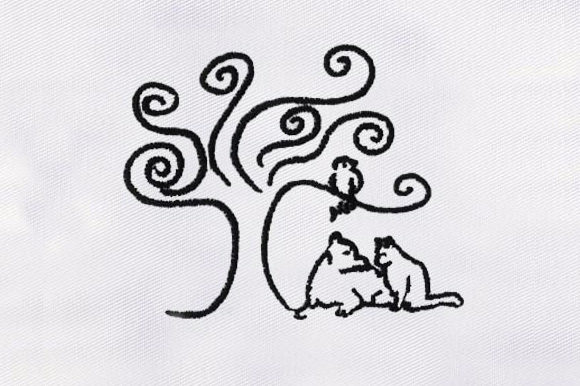
A Minimalist Forest: Reviewing the Black White Tree Embroidery Design
When preparing a limited, premium sweatshirt drop for a boutique brand, the selection of the embroidery design is paramount. It’s not just a graphic; it’s the soul of the garment. Today, I’m evaluating the Black White Tree machine embroidery design from the perspective of an apparel decorator planning a real collection. The title alone—Black White Tree—sets a clear, confident tone. It promises contrast, simplicity, and a natural motif stripped down to its essential form.
First Impression: Mood, Layout, and Stitching Personality
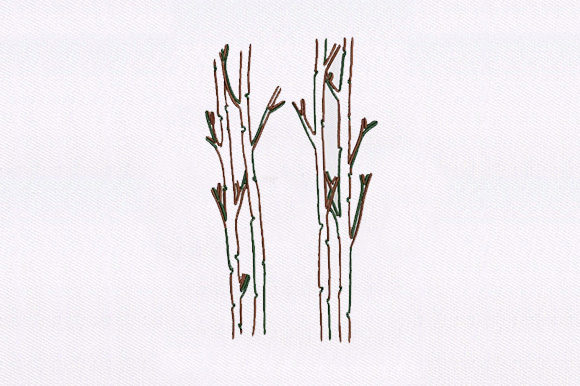
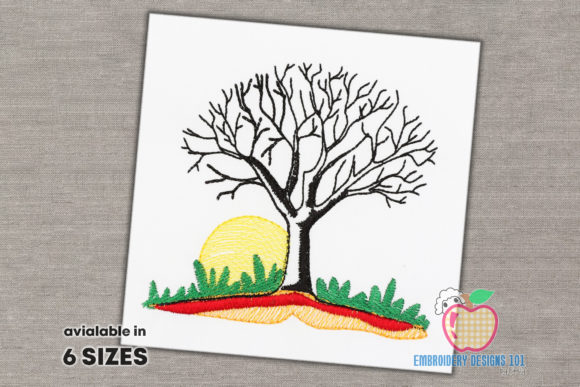
The immediate sense from Black White Tree is one of serene minimalism. This isn’t a dense, detailed woodland scene; it’s a singular, stylized tree rendered in stark contrast. The mood leans rustic yet modern, decorative yet understated. For a boutique brand, this balance is gold. It feels premium not through ornate complexity, but through clean, intentional artistry. The layout likely focuses on a central, elegant tree form, making it perfect for a focal point placement like the chest of a hoodie or the back of a sweatshirt.
Considering the stitching personality, I envision clean outlines and possibly some tasteful fill textures to define the trunk and foliage. The “Black White” naming strongly suggests a two-color thread scheme, which is excellent for production efficiency and creates a bold, graphic impact. This design would not feel cute or overly playful; it feels strong, sophisticated, and quietly bold. It carries a feminine elegance if placed on softer, pastel fabrics, but also a unisex, casual strength on darker grounds.
Application on Boutique Sweatshirts and Seasonal Apparel
This is where Black White Tree truly shines for small shop product development. Imagine it embroidered on a heavyweight, neutral sweatshirt—a heather grey or cream. The contrast would be crisp and professional, elevating a simple garment into a lifestyle product. On a dark fabric like charcoal or black, using a white or light grey thread for the tree, the design would pop beautifully, creating that coveted “night sky” aesthetic.
For a more delicate, seasonal collection—think spring or early fall—placing Black White Tree on a pastel pink, sage, or butter yellow oversized hoodie would yield a wonderfully casual yet decorative piece. The natural motif feels cozy and appropriate for seasonal apparel. As a sleeve accent, a smaller version would add a subtle branded touch. For a statement piece, a larger version on the back of a sweatshirt becomes the signature of the entire drop.
The design’s inherent simplicity makes it a versatile asset for custom apparel branding. It’s recognizable without being loud, aiding in visual recognition for a growing brand. In product photography and Etsy listings, this clean design photographs exceptionally well. It looks intentional and high-quality in mockup previews, which directly boosts buyer trust and can affect perceived product value. Customers engaging with handmade products look for this clarity of design.
The Practical Designer’s Checklist for Commercial Use
Moving from aesthetic to practical, several key considerations come to mind before hooping the first sweatshirt. The provided embroidery file formats list is extensive—including DST, PES, JEF, and others—which is crucial. It means compatibility with most commercial and home embroidery machines, a must for any digital embroidery file used in production. However, specific details like exact stitch count, recommended hoop size, and license terms are not included here. I strongly remind fellow decorators to verify those details with the file seller before proceeding to production.
Thread, Fabric, and Stabilizer Strategy
The thread color contrast is implied by the name, but the final choice will define the garment. On a light fabric, a rich black thread for the tree would be striking. On a dark fabric, a bright white or even a metallic silver could add a premium twist. Evaluating stitch density is vital for sweatshirt embroidery. Sweatshirt fabric, especially premium, thick varieties, can be challenging. A design with overly dense fills might puckering or feel stiff. I anticipate Black White Tree, given its likely minimalist approach, would use moderate density, making it suitable for fabric texture like fleece-backed cotton without requiring excessive stabilizer.
Stabilizer choice will be key—a medium-weight cutaway for permanent durability on a sweatshirt intended for regular wear is my go-to. This ensures the design holds its shape through washing, enhancing washing durability for commercial embroidery. The design’s strength for small-size readability is another test. If scaled down for a sleeve or pocket, the tree’s form should remain clear and not become a blob of stitches. Its clean lines should support this scalability.
Hoop Placement and Finished Product Integrity
Considering hoop placement on an oversized hoodie, the central chest area is ideal. The design’s layout likely has a balanced weight, making it straightforward to center. The question of whether it feels strong enough for commercial apparel use leans toward yes. Its graphic nature and probable robust outline stitching suggest it will withstand the rigors of wear and washing, presenting as a permanent, quality decoration rather than a fragile appliqué. This integrity is what transforms a handmade product from a craft into a trusted brand item.
Enhancing Brand Identity and Customer Engagement
Finally, adopting a design like Black White Tree for a boutique brand’s collection goes beyond decoration. It becomes part of the brand identity. A minimalist forest motif can communicate values of calm, nature, simplicity, and elegance. When customers wear it, they engage with that identity. For Etsy sellers and creative entrepreneurs, offering this design on a range of apparel—from classic sweatshirts to cropped hoodies—creates a cohesive collection that tells a story. The finished product feels intentional, which is the hallmark of a successful small shop product.
In summary, the Black White Tree embroidery design presents as a versatile, premium, and production-friendly asset for a boutique apparel drop. Its minimalist, contrasting aesthetic works across a spectrum of sweatshirt colors and styles, from dark and bold to pastel and cozy. Practical considerations around thread, stabilizer, and scaling appear manageable, assuming the specific file details are confirmed. By choosing a design with this clear personality and strength, a small brand can elevate its merchandise, build visual recognition, and deliver a high-value, engaging product to its audience.