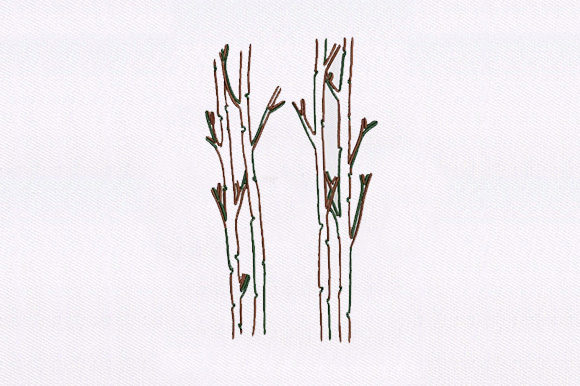
A Bare Tree Embroidery Design: Simplicity That Works
First Impressions: The Quiet Strength of an Empty Tree
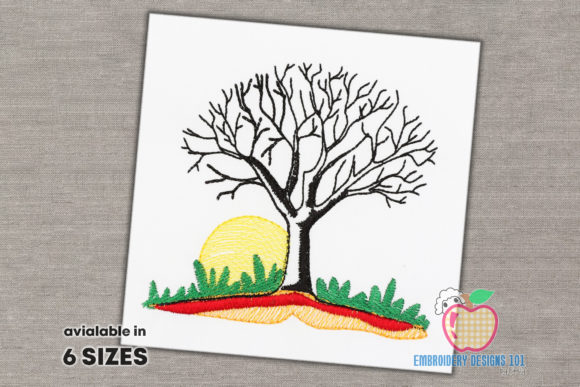
When you first look at the Tree Without Leaf design, you don’t see a lack. You see potential. It’s a simple, strong silhouette, a trunk and branches standing clean against an empty sky. The mood it creates is contemplative, minimalist, and deeply versatile. It doesn’t shout a season; it whispers resilience. This isn’t a detailed, botanical illustration. It’s a graphic statement with a soul, and that’s where its power lies for embroidery projects.
The shape is clear and well-defined, which translates beautifully into stitches. For embroidery designers and crafters, that means we’re looking at a design that will stitch out with crisp edges and good clarity, even at moderate sizes. Its visual personality is calm and modern, making it a fantastic candidate for anything from a boutique baby blanket to a sophisticated, custom sweatshirt for a small shop.
The Perfect Project Match: Where This Design Naturally Belongs
I immediately thought of a custom tote bag. Picture a natural canvas tote, maybe for a local bookstore or a cozy cafe, with this bare tree embroidered on the front. It feels handmade, authentic, and carries a story without words. That’s the kind of real-life scenario where this design shines.
Beyond tote bags, Tree Without Leaf is a natural fit for a range of projects where subtlety wins:
- Apparel Decorators will find it ideal for minimalist sweatshirts, t-shirts, and caps where a bold graphic might overwhelm.
- Baby & Nursery Items: Its gentle shape works wonderfully on baby onesies, quilt labels, or nursery pillow covers.
- Home Goods: Imagine it on a linen tea towel, a pillow cover for a reading nook, or a simple apron.
- Personalized Gifts: This design feels inherently giftable. It’s elegant enough for a wedding gift (think "strong roots") or a thoughtful holiday present.
- Small Shop Merchandise: For Etsy sellers and creative entrepreneurs, this is a ready-made asset for creating printable mockups and finished products that align with a rustic, modern, or natural brand aesthetic.
Stitching It Out: Practical Performance on Real Fabrics
In practical embroidery situations, the simplicity of Tree Without Leaf is its greatest asset. With a clean silhouette, stitch density is likely manageable, preventing overly thick, stiff patches on fabrics. This means it should perform well on a variety of materials commonly used in craft businesses.
For custom apparel like t-shirts and sweatshirts, using a proper cutaway or tearaway stabilizer will be key, especially on stretchy fabric. The design’s open structure (the spaces between branches) means it won’t become a solid, heavy block of stitches, which is better for garment comfort and drape.
For tote bags and home decor items made from canvas or linen, it should stitch out cleanly and hold up well to use. Turning it into an embroidered patch is also a straightforward option, given its defined borders.
Where to Exercise a Little Caution
While versatile, any machine embroidery design requires some forethought. Here are situations where you should test and plan:
- Very Small Hoop Sizes: If you try to shrink this design down too much for a tiny corner on a cap or a delicate baby item, the finer branches might lose definition. Always test on scrap fabric first at your intended size.
- Textured or Thin Fabrics: On highly textured fabrics like some sweaters, or very thin fabrics like lightweight cotton, the open areas might need additional stabilizer support to prevent puckering.
- Dark Fabric Backgrounds: The design's success will depend on thread color contrast. On dark fabrics, a light thread (cream, white, light grey) will make it pop. On light fabrics, a darker thread (charcoal, brown, black) will give it depth. Always check your contrast in a black-and-white mockup first to judge clarity.
- Curved Surfaces: For caps or hats, the design's relatively straight lines should adapt well, but again, hoop size and stabilizer choice are crucial.
The Business of Beauty: How This Design Adds Value
From a commercial perspective, Tree Without Leaf affects more than just aesthetics. For small business owners and digital product sellers, using a design with this clear, professional execution builds customer trust. A clean stitch-out on a finished product signals quality and care.
It enhances the handmade presentation without looking amateurish. For brand consistency, if your shop’s vibe is natural, minimalist, or earthy, this design fits like a glove, reinforcing your brand story across products.
Its giftability and recognition are high—it’s a design people understand instantly and connect with emotionally, which drives buyer engagement. When a customer sees it on a sweatshirt or a pillow in your Etsy listing, they can easily imagine it in their own life.
A Designer’s Final Notes Before You Hoop It Up
Before you load this embroidery file and start a project, here’s my practical checklist, drawn from years of reviewing and stitching designs:
- Always Test First: Run the design on a scrap of your actual project fabric. Check for stitch density, any potential jumps or thread breaks in the small branches, and overall registration.
- Confirm Your Settings: While the product listing includes a wide range of file formats (like PES, JEF, DST, etc.), ensure your machine’s specific format is included. Also, verify the licensing terms if you plan to sell the finished product commercially or include the design in digital product packs.
- Stabilizer is Non-Negotiable: Match your stabilizer to your fabric. For stretchy or thin fabrics, don’t skimp.
- Think About Thread: Consider using a slightly variegated brown thread for the trunk to add subtle texture, or keep it solid for a pure graphic look. Your thread choice will define the final character.
- Hoop Size Matters: Choose a hoop size that gives the design enough space to stitch clearly without forcing it into a tiny area. The design’s natural elegance comes from its proportions.
In the end, Tree Without Leaf is a thoughtfully simple machine embroidery design. It’s not flashy, but it’s profoundly useful. It gives you, the maker, a strong, quiet graphic that can become the heart of countless beautiful, marketable, and meaningful finished products. That’s the kind of design asset that deserves a permanent spot in your creative toolkit.