Putting the Colorful Parrot Embroidery Design to the Test
As someone who stitches for both personal joy and professional projects, I approach new embroidery files with a practical eye. When I first saw the Colorful Parrot listed in the Birds category on Creative Fabrica, it immediately stood out as a candidate for more than just a hobbyist’s canvas. Its vibrant, tropical vibe suggested it could be a real asset for handmade products. But a pretty preview doesn’t always translate to a smooth stitching experience or a successful finished item. Here’s my honest evaluation after considering it for real-world use.
The First Impression: A Burst of Decorative Energy
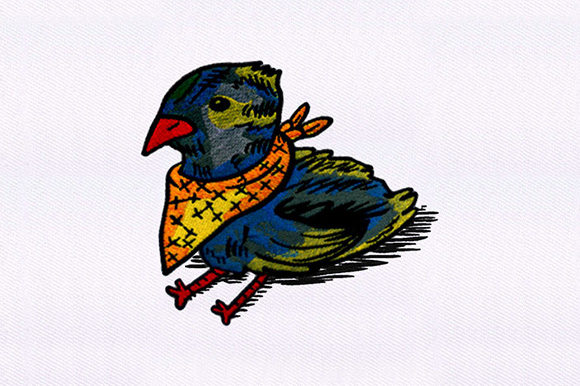
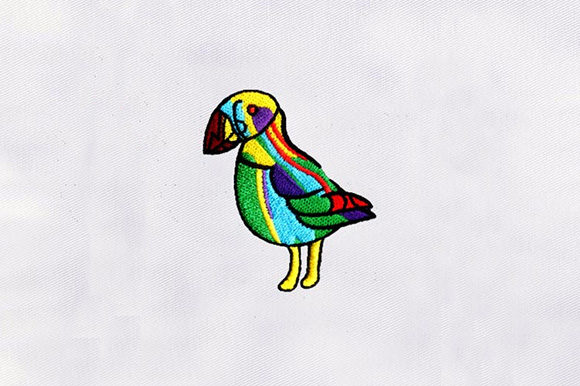
The Colorful Parrot design, right from the preview, exudes a cheerful and decorative personality. It’s not a minimalist outline; it feels crafted with intent to be a focal point. The detail level suggests a design that relies on color and form rather than tiny, intricate lines, which is a good sign for durability on various items. This isn’t a subtle logo; it’s a statement piece. It naturally fits projects where you want to inject a dose of lively, nature-inspired art—think tote bags that stand out at the market, accent pillows for a bright room, or unique apron designs for a creative kitchen.
Where the Colorful Parrot Design Shines in Commercial Projects
In my workshop, a design’s value is measured by its versatility across different products and its ability to enhance perceived value. The Colorful Parrot has strong potential here.
For custom apparel like sweatshirts or tees, its bold, colorful nature makes it ideal for casual, fun wear. It could elevate a simple garment into a personalized gift or boutique merchandise item. On home decor such as pillow covers or nursery blankets, it creates an instant thematic accent. The design’s joyful mood boosts giftability and visual appeal in product photography, helping Etsy listings or craft fair displays attract attention.
As an embroidered patch, it would be stunning, though its success would depend on the final stitch density and how well the layered details translate when condensed. For tote bags and aprons, it’s a perfect fit—these items crave durable, decorative designs that can handle use and washing. The parrot’s form seems large enough to be impactful without overwhelming the fabric space.
Practical Performance Considerations for Real Embroidery
Moving from potential to the actual hoop requires careful thought. Without specific stitch counts or hoop sizes listed, we must proceed with standard precautions. The product page notes it’s a machine embroidery design with a wide array of file formats including ART, DST, EXP, HUS, JEF, PES, VIP, and many others. This format support is excellent, covering most commercial and home machines, which is a huge practical advantage.
However, for any project, especially commercial embroidery, you must test on scrap fabric first. I would immediately check:
- The stitch density in any fill stitch areas to ensure it’s suitable for lighter fabrics like baby blanket cotton or sturdier fabrics like canvas for bags.
- The clarity of small details, like possible beak or feather definitions, after stitching.
- Thread color contrast, especially if planning to stitch on dark fabric—the vibrant colors might need slightly adjusted hues to pop.
- How it handles curved surfaces if considering cap embroidery, as dense designs can pucker on stiff, curved hats.
The use of proper stabilizer is non-negotiable here. A design with likely satin stitch and fill stitch elements needs good support on stretchy fabric for sweatshirts or textured fabric for towels. For items needing frequent washing, like kitchen towels or baby items, a well-stabilized and appropriately dense embroidery will hold up much better, maintaining buyer trust in your handmade presentation.
Navigating File Details and Licensing for Business Use
A crucial step before any needle moves is to thoroughly review the product details on the Creative Fabrica page. Confirm the exact file formats you need for your machine. Since specific hoop size isn’t mentioned in the description, you’ll need to open the file in your software to see its dimensions and assess if it fits your project size—a large tote or a small patch. Always compare light and dark fabric mockups digitally to plan your thread palette.
Most importantly, understand the licensing terms provided for this digital embroidery file. For selling finished products, whether at craft fairs or online, you must ensure your use complies with the license. This protects your business and ensures brand consistency across your product line.
Final Verdict: A Design Worth Exploring
The Colorful Parrot from Creative Fabrica presents itself as a robust, decorative embroidery asset. Its visual strength and wide format support make it a compelling choice for embroidery designers and creative entrepreneurs looking to add a high-impact, nature-themed element to their range. It seems best suited for items where its color and form can be showcased without constraint—tote bags, pillow covers, aprons, and decorative patches.
Its real-world performance will hinge on the standard professional practices: testing, stabilizing, and color planning. It is not a simplistic, tiny design, so it demands a commitment to quality execution. For those seeking a design that can elevate a product’s visual appeal and giftability, the Colorful Parrot is certainly worth downloading and putting through your own pre-production tests. It has the personality to connect with customers and the substance to become a reliable part of your embroidery design toolkit.