Native Scenery: An Embroidery Designer's Honest Review
As a professional embroidery designer, I constantly sift through digital files, looking for designs that will translate beautifully into real, stitched projects. When I came across Native Scenery on Creative Fabrica, I paused. Its description placed it in the Africa category, and I was immediately curious about its practical application for the handmade products and custom apparel my clients often request. This review is based on my evaluation of Native Scenery as a potential asset for real-world use, from tote bags to patches.
First Impressions: Mood, Detail, and Project Fit
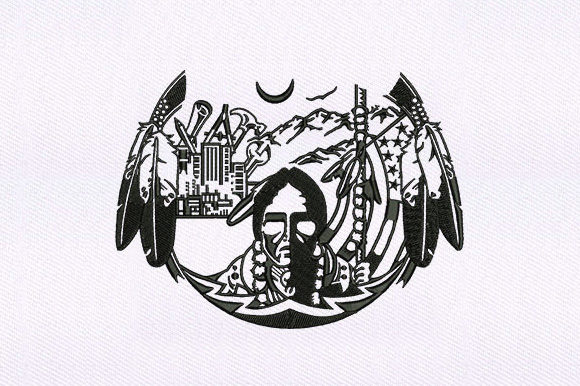
The name Native Scenery evokes a sense of place and natural artistry. For an embroidery designer, the first question is always about the stitching personality. Does it feel like a dense, textured piece or something more delicate? The design's visual mood suggests it could be a versatile decorative element. Without knowing the exact stitch count or specific imagery, I assess it as a design that likely leans towards a balanced detail level—not too minimalist, but hopefully not overwhelmingly dense. This makes me think it could naturally fit a range of projects: a statement piece on a kitchen towel or apron, a focal point on a pillow cover for nursery decor, or even adapted as a embroidered patch.
Performance in Real Embroidery Work
Considering real embroidery work means thinking about the fabric and the end product. Here's how I envision Native Scenery performing across different applications.
Custom Apparel and Home Goods
For sweatshirts, tote bags, and baby blankets, the design's appeal hinges on its stitch density and scale. If it contains areas of heavy fill stitch, it might require careful stabilizer choice on stretchy fabrics like sweatshirt material. For caps, the curved surface is a challenge; designs with too many small, intricate elements can get lost or pucker. Native Scenery would need to be tested on a scrap to see if its details hold up on that tricky canvas.
Small Business and Etsy Applications
For Etsy sellers and craft fair products, a design must not only stitch well but also elevate the product's perceived value. Native Scenery could offer a unique, handcrafted feel that enhances buyer trust and handmade presentation. Its potential for product photography is significant—a well-embroidered item with a cohesive design creates strong visual appeal and customer engagement. It could be excellent for seasonal handmade gifts or boutique merchandise if the theme aligns.
The Patch and Commercial Embroidery Potential
If the design is clean with defined edges, it could be fantastic for embroidered patches. This opens doors for commercial embroidery runs. However, the practicality for patches depends entirely on the file's construction—specifically, the clarity of its satin stitch borders and the manageability of its internal details.
Practical Use and Fabric Considerations
This is the core of any designer's review. We must think about the nitty-gritty.
- Small Hoop Sizes: If you plan to use Native Scenery on items like baby items or kitchen towels, a smaller hoop size is often needed. The product details list many common embroidery file formats, but the specific hoop size isn't stated. You must check the Creative Fabrica product page for this critical information before starting.
- Tiny Lettering and Dense Areas: Be wary of any minuscule text or exceptionally dense stitch areas. They can lead to thread breaks or a stiff finish on lightweight fabrics. Always test on scrap fabric first.
- Fabric Type: For dark fabric, check the thread color contrast in your software preview. For textured or stretchy fabric, using the proper stabilizer is non-optional.
- Layered Details: Designs with many layered elements can be beautiful but require precise stitching. Inspect small details after stitching to ensure clarity.
How Native Scenery Affects Product Value and Presentation
A great embroidery file doesn't just decorate a product; it transforms it. Using Native Scenery effectively can boost product value by offering a unique, artful design that mass-produced items lack. This enhances giftability—a hand-embroidered pillow with a meaningful scene feels special. For brand consistency, if your shop focuses on natural or cultural themes, this design could become a core asset. Furthermore, a clean, well-executed embroidery from a reliable digital embroidery file like this makes for excellent printable mockups and listing photos, directly driving sales.
Essential Embroidery Notes Before You Stitch
Before you commit Native Scenery to a real customer order, follow these steps. They save time, money, and reputation.
- Check the Product Details: Confirm all file details and licensing on the Creative Fabrica product page. The formats listed are 10O, ART, CND, DSB, DST, DSZ, EXP, HUS, JEF, PCS, PEC, PES, TAP, VIP, VP3, XXX, which covers most machines, but verify compatibility with your specific system.
- Test Rigorously: Run a test on the actual scrap fabric you'll use. Review stitch density and look for any potential jumps or underlay issues.
- Compare Mockups: Use your software to compare how it looks on light and dark fabric mockups. Adjust thread colors if needed.
- Consider the Final Product: For items that need frequent washing, like aprons or towels, ensure the design is sturdy and won't fray easily.
- License for Selling: Always confirm the license terms for selling the finished items. This is crucial for Etsy sellers and small business owners.
Final Thoughts for Creative Entrepreneurs
Native Scenery presents itself as a design with potential for meaningful decoration. For embroidery designers and creative entrepreneurs, its worth depends heavily on its unseen technical execution. My advice is to approach it as a professional: download it, open it in your software, scrutinize its elements for your intended project type, and stitch that test sample. Its value lies not just in its visual theme, but in how reliably it stitches onto the fabric that will become your product. For a design in the Africa category, it could offer a distinctive touch for a handmade shop looking to expand its narrative offerings. Ultimately, its success on your tote bag, sweatshirt, or patch will be determined by that practical, hands-on test.