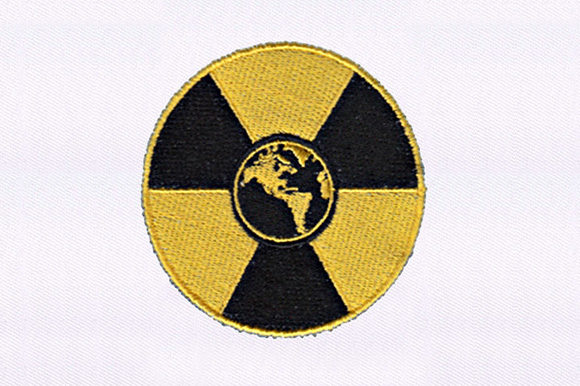
Hazard Symbol: A Bold Military Design for Business Branding
The First Impression: A Statement of Strength
When reviewing the Hazard Symbol embroidery design, the immediate impression is one of bold, authoritative statement. This is a design that conveys strength and attention. Its aesthetic is decidedly modern and classic, with a clear, graphic feel rooted in its Military category. For a small business, this isn't merely a decorative motif; it's a potential brand accent that can signal resilience, precision, or a no-nonsense attitude. The design feels professional and impactful, suitable for businesses wanting to project confidence and clarity.
Real-World Business Applications for Hazard Symbol
The true test of any digital embroidery file is how it performs on actual products. For cafes, studios, workshops, or any business creating custom apparel and merchandise, Hazard Symbol offers versatile application.
Patches and Product Labels
As an embroidered patch, this design becomes a powerful brand mark. It can be applied to aprons in a bakery or workshop, tote bags for a boutique, or as a sleeve detail on staff uniforms for a café or brewery. It functions excellently as a branded product add-on—think a small patch on the corner of a handmade leather notebook from a creative studio or sewn onto a pet brand’s durable toy bag. The graphic nature ensures high recognition.
Apparel and Cap Embroidery
For cap embroidery, placed centrally on the front, Hazard Symbol creates a striking, clean look for team uniforms or event merch. On work shirts or polo shirts, it serves as a confident chest logo. The design’s bold outlines likely translate well to these larger, flat areas. On apron embroidery, particularly for a barista or artisan, it adds a mark of professional identity without being overly decorative.
Merchandise and Customer Engagement
For Etsy sellers or merch creators, this design can elevate a simple product. A tote bag with this emblem feels more intentional. As a gift for loyal customers or as event merch for a local business launch, it carries a sense of exclusivity and brand cohesion. It boosts product value and contributes to strong visual consistency across a line of small business merch.
Where Careful Application is Needed
Despite its strengths, practical considerations are crucial for a flawless finished product.
- Small Patch Sizes: Test the design at a reduced scale before committing. The bold graphic should hold up, but intricate internal details, if present, might need simplification for very small patches.
- Curved Surfaces & Fabric Texture: On cap fronts or curved bag panels, stitch density and hoop size must be carefully managed. Using proper stabilizer is non-negotiable, especially on textured fabrics like canvas for tote bags or twill for caps.
- Thread Color Contrast: On dark uniforms or bags, the thread colors chosen must provide maximum contrast to maintain the design’s impact. A test sew in black and white thread first is a wise designer step.
- Durability: For items needing frequent washing, like aprons or work shirts, ensure the design’s stitch structure is robust enough to withstand wear.
Impact on Brand Identity and Professionalism
Using Hazard Symbol strategically affects brand identity profoundly. It can anchor a brand’s visual language, especially for businesses with a rugged, artistic, or precision-oriented ethos. It builds customer trust through a visible commitment to quality craftsmanship—a handmade product with a professional embroidered mark feels more deliberate. This design isn’t playful or rustic; it’s a confident, modern accent that can make a boutique’s merchandise or a studio’s apparel feel more cohesive and designed.
Creating a Cohesive Visual System
Compare Hazard Symbol beside your other design assets in a printable mockup. Does it complement your logo? Does it serve as a strong secondary element? Its military-inspired clarity can offer a counterpoint to more organic branding, creating an interesting visual tension that engages buyers.
Practical Designer Notes for Commercial Use
Before running this machine embroidery design on a production order, follow these steps.
- Test on Real Fabric: Sew a sample on the exact fabric you’ll use for the final product—be it denim, cotton poly, or canvas.
- Review File Formats: The provided list—10O, ART, CND, DSB, DST, DSZ, EXP, HUS, JEF, PCS, PEC, PES, TAP, VIP, VP3, XXX—ensures compatibility with most machines. Confirm your specific format before starting.
- Inspect Spacing and Density: Look for any potential thread bunching in areas of high density that could distort the graphic on lightweight fabrics.
- Create a Mockup for Client Approval: Always show your business client or your own team a realistic mockup of the design on the intended product. This avoids mismatch expectations.
- Confirm Commercial Licensing: As a digital embroidery file for commercial embroidery, verify the license terms allow for business use on products you sell. This is a critical, often overlooked step.
Ultimately, Hazard Symbol is a robust Embroidery design file with significant potential for business branding beyond mere decoration. Its success lies in thoughtful application—matching its bold personality with a brand that needs that exact statement, and executing the technical embroidery with the care that transforms a digital file into a valuable, tangible brand asset.